
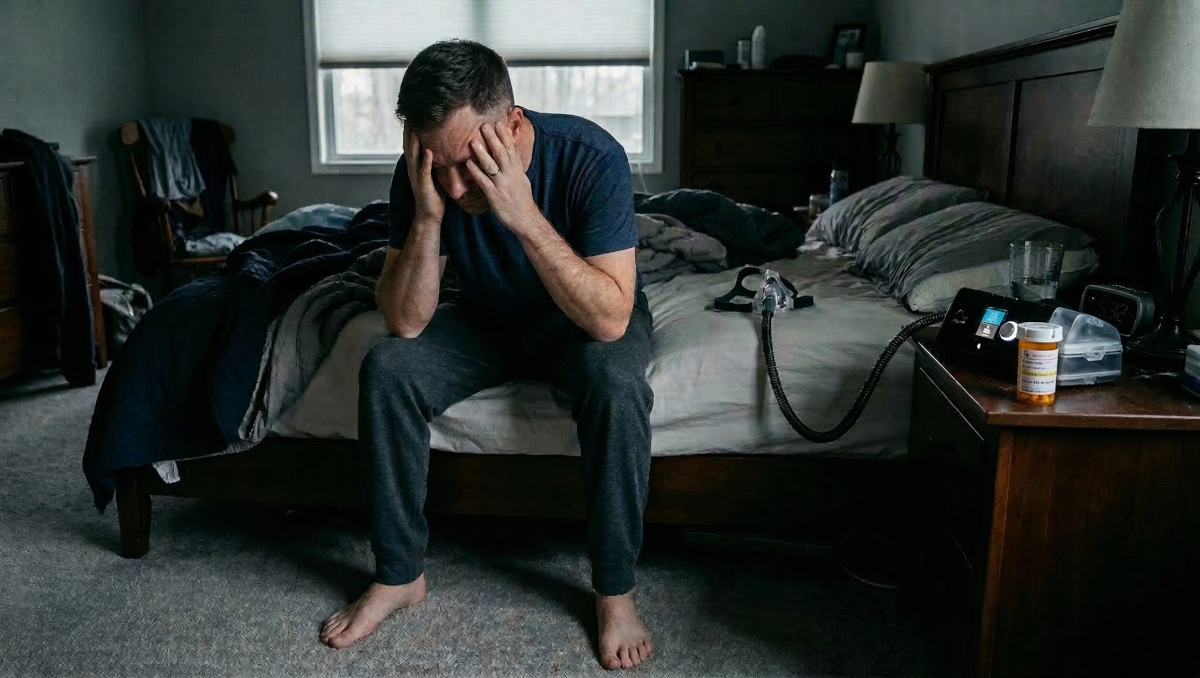
Unfortunately, today’s mental health infrastructure is still not fully aligned with military specific needs.
The psychological well-being of military personnel represents one of the most consequential healthcare challenges confronting contemporary defense leadership. Evidence shows that among serving military (both active and reserve components) and veterans that sleep disorders, post-traumatic stress disorder (PTSD), and substance use disorders frequently occur together and reinforce one another. Gender and cultural background measurably influence how healthcare is accessed and utilized. Policy makers must address the gaps that exist in order to maintain readiness and remove deterrents to military service.
Unfortunately, today’s mental health infrastructure is still not fully aligned with military‑specific needs. Research indicates that only 13% of clinicians possess sufficient cultural competence to deliver effective mental health care to veteran populations. This deficiency stems from a broader failure to understand military cultural contexts, as veterans frequently articulate: “If you haven’t been there, you don’t get it.” Effective therapeutic approaches must incorporate group-based structures, peer facilitation by individuals with military experience, and recovery-oriented content that acknowledges functional requirements of military service. Such approaches must recognize that military personnel require forms of treatment that align with their professional identities rather than challenging or undermining them. Approximately nine million of the 18 million veterans in the United States receive care through the Veterans Health Administration. This figure, however, illuminates a more troubling reality: half of all veterans must navigate treatment within civilian healthcare systems whose providers are less likely to be familiar with military-specific conditions. The most recent published and aggregated evidence suggests that patients are increasingly seeking care for mental health disorders, constituting an approximate 17% increase between 2022 and 2023.
Prevalence and Treatment Gaps
Certain psychological conditions are particularly worrisome: PTSD affects between 5% and 13% of serving personnel, while depressive conditions range from 3% to 27% across service populations. Appropriate therapeutic intervention remains demonstrably insufficient. A mere 31.7% of affected service members reported receiving any form of mental health care, with only 15.6% achieving what clinical standards define as minimally adequate treatment. Sleep disorders compound these deficiencies considerably—at least 42% of active-duty personnel sleep five hours or fewer nightly, a pattern that may intensify existing psychological conditions. Between 2019 and 2023, military medical systems processed mental health diagnoses for 541,672 active component service members. The taxonomic distribution of these diagnoses follows a predictable hierarchy that reflects both the nature of military service and broader societal mental health trends: adjustment disorders comprised 29.3% of all documented cases, reflecting the inherent challenges of military transitions and operational demands. Anxiety disorders accounted for 19.5% of diagnoses, while depressive disorders represented 17.4% of the total diagnostic profile.
This distribution, however, masks more concerning temporal patterns that emerge from longitudinal analysis. Anxiety disorders and PTSD demonstrated the most substantial increases across this measurement period, with diagnostic rates nearly doubling between 2019 and 2023. The temporal correlation between this escalation and the COVID-19 pandemic suggests complex interactions between global stressors and military-specific psychological pressures. The annual incidence rate of mental health diagnosis rose by nearly 40% between 2019 and 2023, indicating more than random statistical fluctuation. Among service branches, the Army consistently demonstrates the highest rates of mental health disorders. Department of Defense assessments indicate that approximately 15% of personnel returning from deployment exhibit symptoms consistent with major depressive disorder. This figure becomes particularly significant when considered alongside the cumulative effects of repeated deployments and extended operational tempo. Mental health disorders now constitute the primary driver of military hospitalization resources. These conditions accounted for 54.8% of all hospital bed days among active component service members in 2023.
In 2023, four specific categories—mood disorders, substance abuse conditions, adjustment disorders, and anxiety disorders—combined with maternal conditions (pregnancy complications and delivery) comprised nearly two-thirds (63.5%) of all hospital bed days. Mood and substance abuse disorders alone represented 32.9% of total hospital utilization in 2023. The Department of Defense responded to these escalating trends through implementation of the Brandon Act in May 2023, expanding service member access to mental health services while strengthening confidential self-referral mechanisms.
The Central Role of Sleep
Lack of sleep seems to be the root of much psychological evil. For many years, empirical research has clearly established a high correlation between obstructive sleep apnea and PTSD among military populations. Meta-analytical evidence shows that among personnel diagnosed with PTSD, 75.7% also have at least mild apnea and 43.6% have moderate apnea. The inverse relationship works both ways: PTSD manifests in 11.9% of patients with OSA compared to merely 4.7% in patients without sleep-disordered breathing. This sleep apnea-PTSD connection is so remarkably strong and consistent that they can predict each other with unsettling accuracy. Personnel afflicted with both conditions report symptom severity such as including diminished quality of life metrics and increased somnolence, meaning persistent drowsiness. Military personnel with sleep apnea frequently lack conventional predictors such as advanced age or obesity, complicating traditional civilian diagnostic protocols. Among veterans with PTSD, approximately one-third simultaneously meet criteria for substance use disorders. Co-occurring PTSD and sleep disorders correlate with elevated rates of substance abuse, depressive episodes, and suicidal ideation. Untreated sleep apnea demonstrates interference with PTSD treatment protocols, disrupting both psychotherapeutic and pharmacological interventions.
Veterans with substance abuse problems demonstrate 3-4 times greater likelihood of concurrent PTSD or depression diagnoses.
Substance Use Disorders
Substance use disorders compound sleep apnea and worsen patient psychological outcomes. The most recent publicly available data shows that they constitute 2.8% of all mental health diagnoses within military populations. Veterans with substance abuse problems demonstrate 3-4 times greater likelihood of concurrent PTSD or depression diagnoses. Among recent Afghanistan and Iraq theater veterans, 63% of those diagnosed with these disorders concurrently met PTSD criteria. Service members with co-occurring disorders face elevated risk of medical complications encompassing seizures, hepatic disease, HIV transmission, and additional psychiatric conditions. Perhaps most concerning, approximately 47.1% of service members diagnosed with any mental health condition received diagnoses spanning multiple diagnostic categories. This pattern underscores the complexity inherent in treatment protocols and suggests that traditional single-disorder therapeutic approaches may prove insufficient for military populations.
Barriers to Seeking or Receiving Care
Only 43% of those with probable PTSD or depression pursue available care. This phenomenon extends across broader military populations, where approximately 60-70% of those experiencing psychological distress actively avoid mental health services. The most frequently cited rationale illuminates a fundamental tension within military culture: 77% of soldiers acknowledging treatment needs assert their preference to handle difficulties independently. This preference for self-reliance, while consistent with military values of resilience and self-sufficiency, creates a logical contradiction when applied to conditions requiring clinical intervention. Professional advancement concerns persist as primary barriers to treatment engagement. Approximately 35% of service members maintain that seeking psychological care will damage their career trajectories. Specific leadership-related anxieties include fears that “unit leadership might treat me differently” (44.2%) and concerns about appearing weak (42.9%). These apprehensions, however, demonstrate a disconnect from documented outcomes. Security clearance data from 2012-2023 reveals that merely 0.01% of cases resulted in denial due to psychological health concerns.
Gender, Race, and Component Differences
Female soldiers in the U.S. Army receive mental health diagnoses at rates exceeding those of male counterparts by a factor of two in combat environments. The specificity of this disparity becomes more pronounced when examined through diagnostic categories: anxiety disorders manifest at twice male rates, adjustment disorders similarly double male prevalence, while personality disorders approach nearly quadruple male frequencies. This elevated diagnostic frequency, however, correlates inversely with mental health service utilization. Female service members demonstrated reduced likelihood of accessing mental health care compared to their male colleagues. One possible reason for this comparative avoidance may reside in gendered perceptions of fitness: 65.7% of female respondents reported avoiding mental health services specifically due to concerns regarding their military standing.
Racial and ethnic demographics reveal similarly intricate patterns of mental health prevalence and treatment access. Hispanic veterans demonstrated lifetime PTSD rates of 17.8%, while Black veterans showed 16.7% prevalence, both substantially exceeding White veteran rates of 11.1%. Current PTSD screening data reinforces these disparities: Black veterans screened positive at 10.1% compared to 5.9% among White veterans. Paradoxically, perceived mental health stigma operated in inverse proportion to these elevated prevalence rates. Hispanic service members and Black service members reported lower levels of perceived mental health stigma compared to White counterparts. Controlling for race and gender, reservists experience treatment disparities that reflect broader structural inadequacies in military healthcare delivery systems. Despite constituting 25% of deployed troops between 2001 and 2015, merely 23% of reservists received adequate PTSD treatment compared to 29% of active-duty personnel. The most concerning disparity emerges in follow-up care: only 54% of reserve component members received timely psychiatric follow-up care after hospitalization, contrasted with 90% of active-duty personnel. These disparities likely derive from the complex insurance navigation requirements reservists face as they transition between TRICARE, Veterans Administration, and civilian healthcare systems.
The Present Path is Unsustainable In conclusion, addressing the psychological wellbeing of military personnel requires systemic rather than fragmented interventions. Solutions should prioritize integrated treatment models that simultaneously address sleep disorders, PTSD, and substance use, recognizing their mutual reinforcement. Expanding culturally competent care is essential; investment in training clinicians with military-specific knowledge can bridge current gaps in therapeutic trust. Policy initiatives like the Brandon Act should be paired with proactive stigma-reduction campaigns that emphasize career safety and normalize care-seeking behavior. Gender and racial disparities must be mitigated through targeted outreach and equity-based reforms in both active-duty and reserve healthcare systems. Future research should investigate precision-medicine approaches that leverage genetic, environmental, and service-specific factors to predict comorbidity risk, as well as longitudinal studies on how deployment tempo and sleep deprivation alter neurobiological pathways. Advancing telehealth and peer-facilitated group models also offers promising avenues for improving access across geographically dispersed or underserved populations. Ultimately, the integration of medical, cultural, and policy innovations holds the greatest potential to safeguard both the health of individual service members and the readiness of the armed forces.
Jonathan Kenigson, PhD, is a mathematician and statistician with an enduring interest in healthcare process improvement. He is the author of more than 150 published works in the USA, UK, Canada, China, and Australia. Dr. Kenigson is a recipient of the Presidential Award for Service, Colonel Aide de Camp for the State of Tennessee, and a governor-appointed Goodwill Ambassador for the State of Tennessee.
The views expressed in this article are those of the author and do not necessarily reflect those of the U.S. Army War College, the U.S. Army, or the Department of War.
Photo Credit: Created by Gemini

Question — Based on our article above:
Given the findings and recommendations discussed immediately above, would properly oriented, organized, ordered, staffed and funded (a) military facilities, (b) VA facilities or (c) private facilities be considered best qualified, and best capable, of doing this job/of meeting these requirements — for addressing the psychological wellbeing needs of our military personnel?